
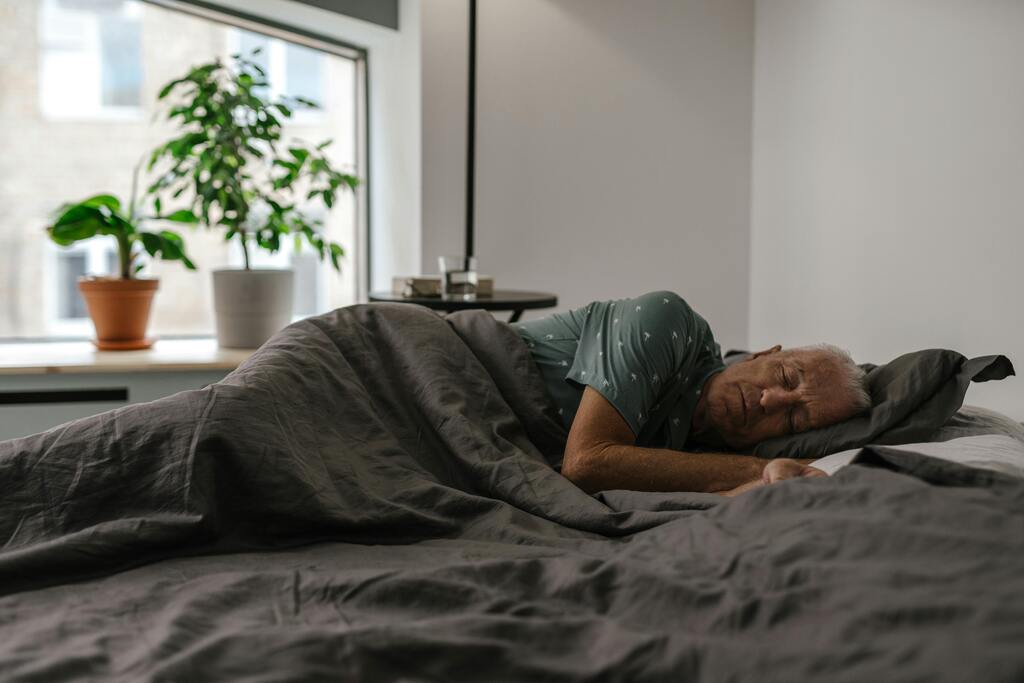
Oops, you did it again – you stayed up too late binging the latest streaming sensation and are paying the consequences. Now your legs feel like they’re stuck in quicksand, your brain is groggy, and you’re snapping at whoever dares to ask a question before noon.
The effects of sleep deprivation are real, even after just one night’s infraction. Did you know that a lack of sleep can lead to serious health consequences like heart disease, depression, and obesity? It can also have negative impacts on your brain including decreased concentration, lapses in memory, and difficulty learning.
A study conducted by researchers at the University of Pennsylvania found those who slept for between 4 and 5 hours a night for one week felt increased levels of anger, sadness, angry, stressed, anxiety, confusion, and sleepiness. These effects lasted well past the seven days and it took two full nights of sleep for any noticeable improvements.
A 2024 study published in QJM linked a good night’s sleep to longevity. Researchers found that men who slept soundly lived almost five years longer than those who didn’t. Women who got a good amount of zzzs lived two years longer.
According to Mayo Clinic cardiologist Dr. Virend Somers, “During sleep, your brain and body perform many critical tasks important for overall health.” While you’re conked out, your body is able to repair injured muscles and tissues, clear out toxins, and seal in memories created throughout your day.
Here are five tips to help you get a better sleep tonight.
1. Cool things down The ideal sleeping temperature is between 60 and 65 degrees. When our body’s temperature falls to this level, it releases melatonin, a hormone that makes it easier for us to fall and stay asleep.
2. Embrace the dark Having a light on in the bedroom, be it a nightlight, blue light from a tablet, or a bright alarm clock, can interrupt our body’s circadian rhythm. This is essential to helping us know when to feel sleepy or awake. Use blackout curtains and turn off your phone. In the morning, turn on the lights or open the curtain to tell your body it’s time to get up.
3. Get moving! Regular exercise is key to helping people fall asleep faster and stay asleep for longer. Just don’t do it too close to bedtime. Increasing your heart rate within three hours of sleep can put you at risk of being restless. A brisk walk and light strength-training count, so don’t think you have to run a marathon to get the benefits.
4. Relax It’s hard to fall asleep when you’re anxious and stressed. That’s why it’s so important to try to quell your worries before bed. Mediate, practice bedtime yoga, or enjoy a long soak in a warm bath to help calm down and turn off those pesky thoughts.
5. Wear socks Keeping your feet warm has been proven to help people fall asleep faster. The blood vessels in warmed skin dilate to help you cool down (the same things happens if you take a warm bath before sleeping). This tells your brain it’s time for sleep and triggers a release of that calming hormone we mentioned earlier, melatonin.